
The best print-on-demand niches in 2026 are evergreen buyer identities: coffee lovers, pet owners, nurses, teachers, fitness communities, outdoor hobbyists, faith-based buyers, gamers, parents, book lovers, local-pride shoppers, and seasonal gift buyers. These niches work because buyers are not just shopping for a product. They are shopping for something that signals who they are.
That is the difference between a random design and a product with real demand. A plain “funny shirt” has to compete with everything. A shirt for a night-shift nurse who lives on iced coffee, or a mug for a home espresso hobbyist, speaks to a specific buyer with a specific reason to click.
Key Takeaways
- The strongest print-on-demand niches combine identity, interest, and giftability.
- Coffee is the best flagship niche to test first because it works across mugs, shirts, stickers, journals, and city-specific designs.
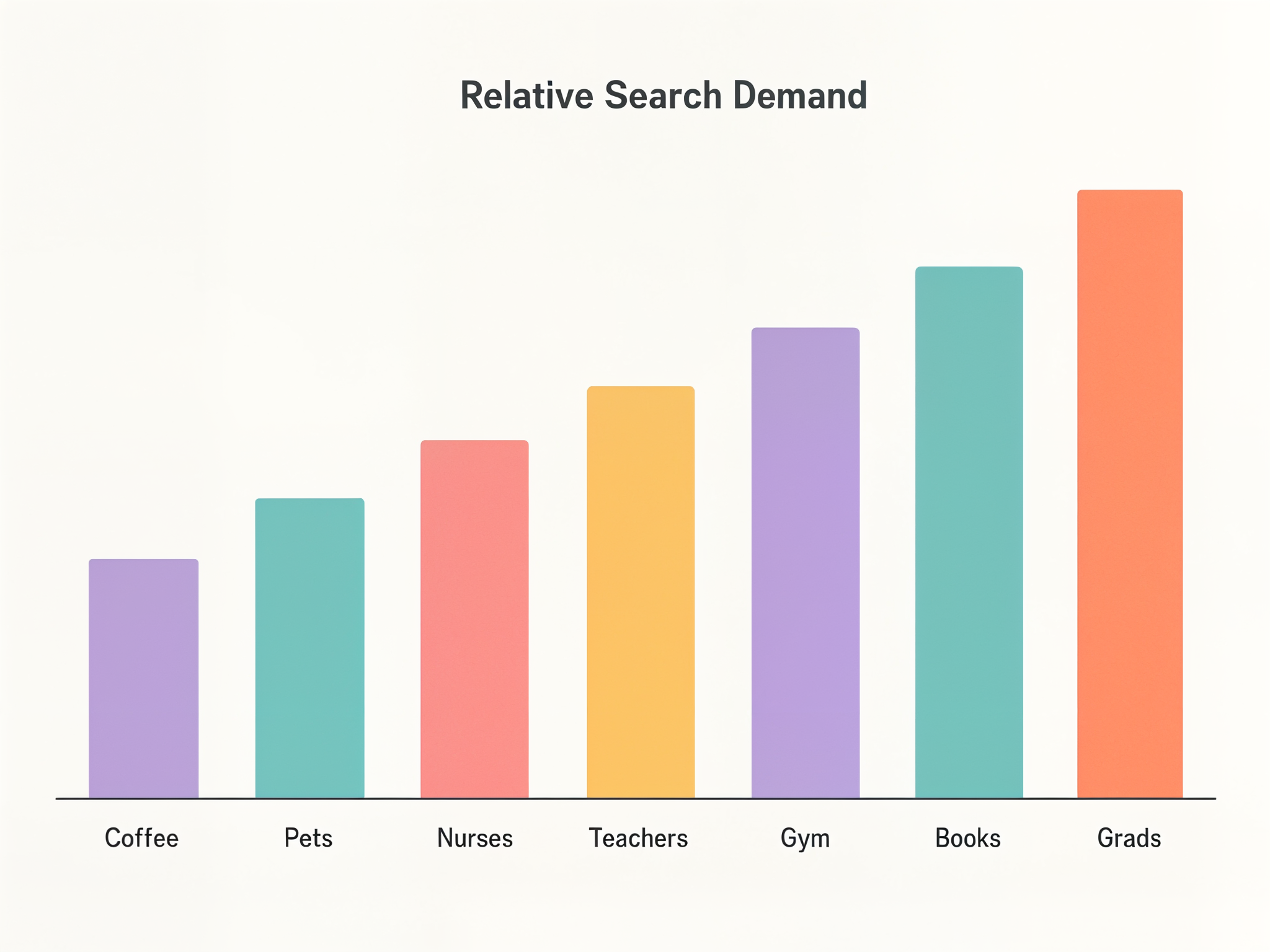
- Pets, nurses, teachers, fitness, faith, gaming, books, and graduation all show strong US search demand.
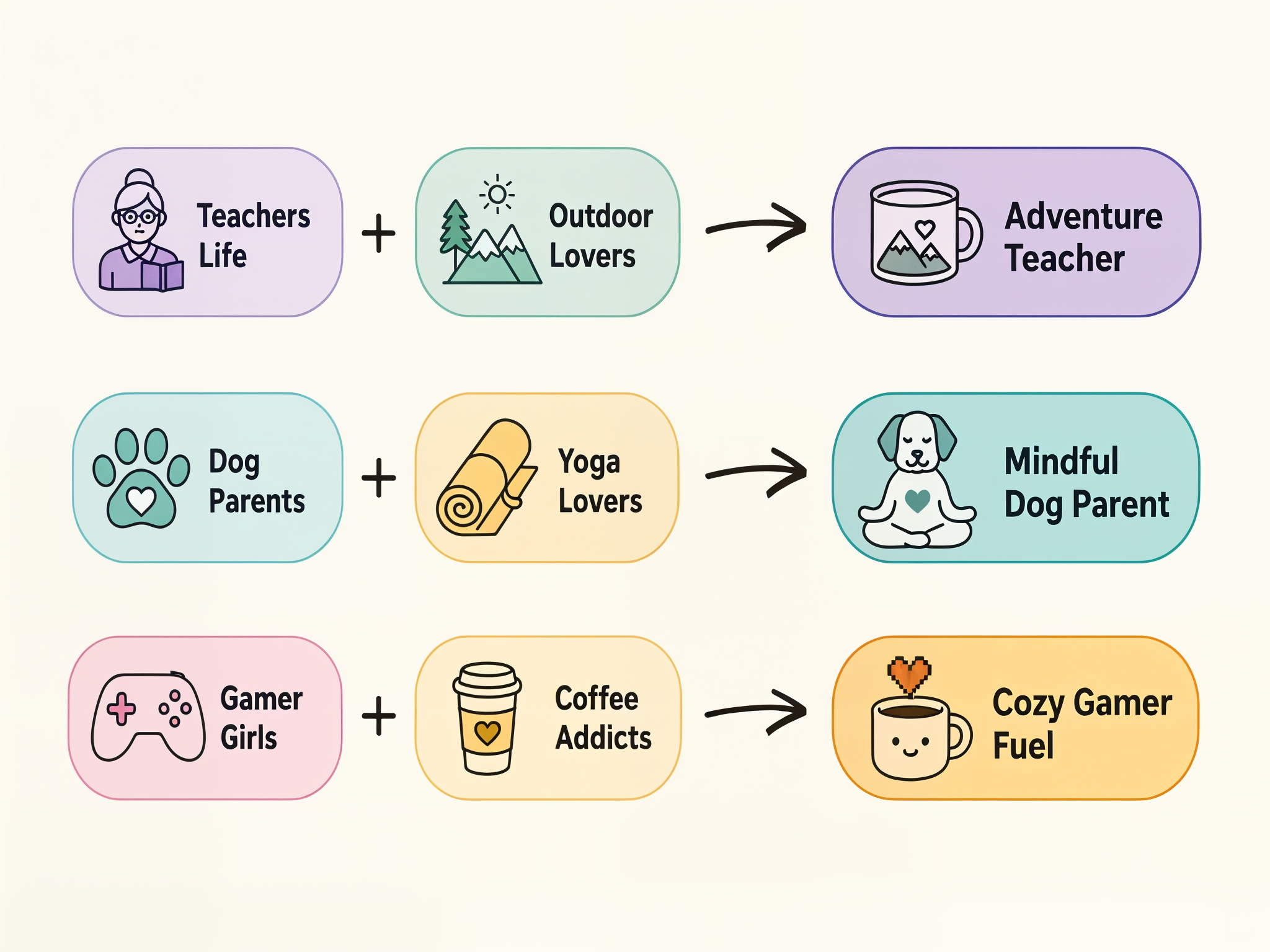
- Broad niches are crowded, so the best strategy is to combine two buyer identities, such as “coffee teacher” or “dog dad who hikes.”
- Before scaling a niche, validate search volume, Best Sellers Rank movement, competition quality, and trademark risk.
Quick Comparison: Best POD Niches for 2026
| Rank | Niche | Demand signal | Best product formats | Competition read |
|---|---|---|---|---|
| 1 | Coffee lovers | “coffee lover gifts” gets ~2,400 US searches/mo | Mugs, shirts, stickers, journals | High, but easy to sub-niche |
| 2 | Pet owners | “dog mom shirt” ~1,300; “cat dad shirt” ~2,400 | Shirts, mugs, blankets, portraits | High, strong personalization angle |
| 3 | Nurses | “nurse shirts” ~8,100 | Shirts, totes, planners | High, role-specific angles win |
| 4 | Teachers | “teacher shirts” ~8,100 | Shirts, mugs, planners | High, seasonal peaks |
| 5 | Fitness | “gym shirts” ~9,900 | Shirts, tanks, logs | High, subculture language matters |
| 6 | Outdoor hobbies | “hiking shirts” ~3,600 | Shirts, hats, stickers, travel logs | Medium-high |
| 7 | Faith | “christian shirts” ~9,900 | Shirts, journals, wall art | High, tone and design quality matter |
| 8 | Gaming | “gamer shirts” ~3,600 | Shirts, stickers, notebooks | High, trademark risk |
| 9 | Parents | “new dad gifts” ~2,400 | Mugs, shirts, keepsakes | Seasonal and gift-driven |
| 10 | Book lovers | “book lover gifts” ~18,100 | Totes, mugs, stickers, journals | High, strong gifting demand |
| 11 | Local pride | City-specific terms vary | Shirts, mugs, posters, travel journals | Lower when localized |
| 12 | Life events | “graduation gifts” ~40,500 | Shirts, mugs, cards, journals | Seasonal, urgency-driven |
Search-volume figures are rounded US monthly averages from live Google Ads keyword data checked on June 17, 2026. Use them as demand signals, not guaranteed sales forecasts.
How We Picked These Niches
A good POD niche needs three things:
- Existing demand. People are already buying products, searching for gift ideas, and engaging with content around the topic.
- Repeatable design angles. The niche should support many concepts, not one slogan.
- Clear buyer identity. The strongest designs let customers say, “That is me,” or “That is exactly the person I need a gift for.”
For Amazon Merch on Demand, KDP, Etsy, Redbubble, and similar marketplaces, niche selection is rarely about finding something nobody has ever seen. It is about finding a proven market where you can make a sharper, more specific product than the average seller.
Podly’s niche workflow is simple: start with buyer identity, confirm search demand, inspect competing products, check Best Sellers Rank movement, and remove ideas with trademark risk before you design. If you need the full process, read our guide to identifying profitable print-on-demand niches.
1. Coffee Lovers
Coffee is one of the strongest evergreen print-on-demand niches because it combines daily habit, personal identity, gifting demand, and a huge range of product formats. Coffee works on mugs, shirts, sweatshirts, stickers, tote bags, journals, posters, and kitchen decor. It also gives sellers plenty of room to niche down.
The demand is visible in search data. “Coffee lover gifts” gets roughly 2,400 US searches per month, “coffee mug designs” gets roughly 1,000, “funny coffee shirts” gets roughly 390, and “print on demand coffee mugs” gets roughly 90. That mix matters: some buyers are looking for gifts, some are looking for product inspiration, and some are already thinking in POD formats.
The reason coffee sells so well is simple: coffee is both universal and tribal. Millions of people drink it every day, but many also use it as a personality marker. Some buyers are espresso purists. Some are iced-coffee loyalists. Some are tired parents. Some are baristas. Some are specialty coffee people who plan vacations around independent cafes.
That last group is especially useful for POD sellers because it points to a more premium audience. The specialty coffee movement is no longer limited to a few major capitals. Independent cafes and third-wave coffee shops now span hundreds of European cities, and directories like Extract Coffee make that culture visible city by city. For sellers, that means coffee designs can go beyond generic caffeine jokes and speak to a more design-aware audience.
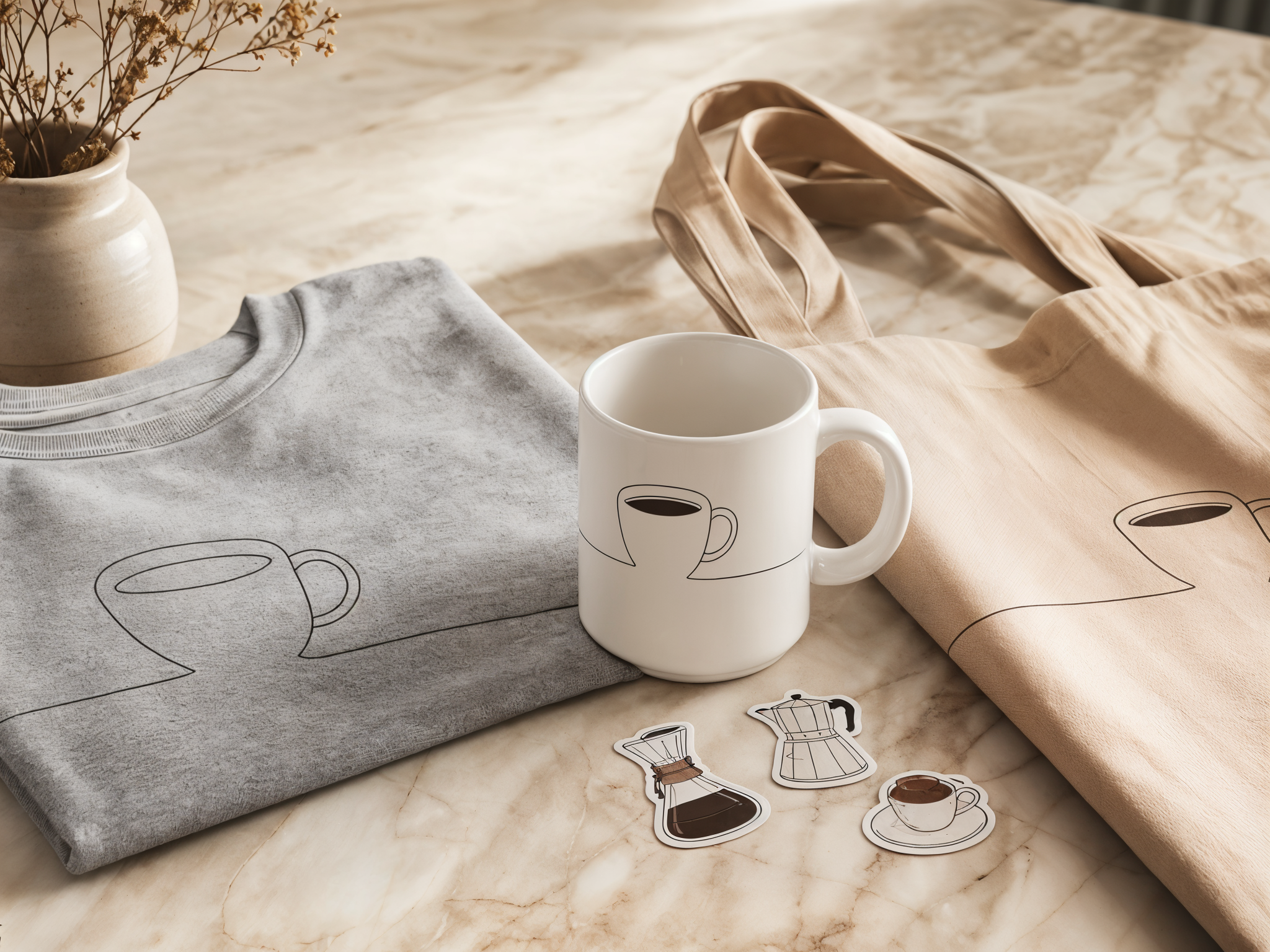
Strong coffee sub-niches include:
- Espresso hobbyists and home baristas
- Cold brew and iced coffee drinkers
- Baristas and cafe workers
- Remote workers and laptop cafe culture
- Coffee-and-books buyers
- Coffee moms, dads, teachers, and nurses
- City-specific coffee pride
- Minimalist specialty coffee aesthetics
The mistake is making another “but first, coffee” design with no twist. The opportunity is combining coffee with a second identity. “Espresso dad,” “iced coffee teacher,” “barista off duty,” “coffee before charts,” or a city-specific specialty coffee design is more targeted than a generic coffee slogan.
Coffee is also a strong KDP niche. Sellers can test coffee tasting journals, cafe review notebooks, home espresso logs, recipe books, and giftable low-content journals for people who track beans, roasters, grind size, and brew methods.
2. Pet Owners
Pet products remain one of the most reliable POD categories because buyers are emotionally invested. Dog owners, cat owners, horse owners, and breed-specific communities all buy products that show off their identity.
The demand is not theoretical. “Dog mom shirt” gets roughly 1,300 US searches per month, while “cat dad shirt” gets roughly 2,400. Both are competitive, but they prove that buyers search for identity-based apparel, not only generic pet products.
The broad “dog mom” and “cat dad” space is crowded, but there is still room in sharper angles:
- Breed-specific humor
- Rescue pet identity
- Senior dog and senior cat themes
- Pet memorial products
- Matching owner-and-pet designs
- Funny personality traits by breed
- KDP pet care journals and training logs
The best pet designs are specific enough that the buyer feels seen. “Dog mom” is broad. “Anxious dachshund support staff” is sharper. The more precisely the design captures a real pet-owner experience, the better chance it has to stand out.
3. Nurses and Healthcare Workers
Healthcare is a durable POD niche because it has a clear professional identity, gifting demand, and recurring seasonal hooks like graduation, Nurses Week, retirement, and holidays.
“Nurse shirts” gets roughly 8,100 US searches per month, which makes it one of the strongest apparel-specific demand signals on this list. The catch is competition: generic nurse graphics are everywhere. Sellers need sharper role-specific angles.
Good design angles include:
- Night-shift humor
- Specialty roles such as ICU, ER, pediatrics, dental, radiology, and labor and delivery
- Graduation and pinning ceremony gifts
- Nurse practitioner and student nurse designs
- Coffee plus healthcare crossover designs
- KDP shift planners and clinical notebooks
This niche rewards accuracy. Sellers should understand the role they are designing for instead of using generic medical icons on every product. A design for an ICU nurse should not feel identical to one for a dental hygienist.
4. Teachers
Teachers buy for themselves, but the bigger opportunity is gifting. Parents, students, schools, and coworkers all buy teacher gifts throughout the year, especially around back-to-school, Teacher Appreciation Week, holidays, and end-of-year gifts.
“Teacher shirts” gets roughly 8,100 US searches per month, with seasonal lift around back-to-school periods. That makes it attractive, but also crowded. The winning products tend to be grade-specific, subject-specific, or occasion-specific.
Strong teacher sub-niches include:
- Grade-specific designs
- Subject-specific designs
- Preschool and kindergarten humor
- Special education teachers
- Teacher coffee designs
- Classroom management jokes
- KDP planners, grade books, and lesson notebooks
The teacher niche is competitive, so specificity matters. “Teacher life” is saturated. “Kindergarten chaos coordinator” or “science teacher powered by coffee and lab goggles” has a clearer buyer.
5. Fitness and Gym Culture
Fitness is a strong niche because buyers often build identity around their training style. A runner, powerlifter, yoga teacher, and pickleball player are not the same customer, even if all of them technically fall under “fitness.”
“Gym shirts” gets roughly 9,900 US searches per month. That is a strong demand signal, but it also means generic gym designs will struggle. Sellers should design for specific training cultures instead of broad motivation.
Good POD angles include:
- Powerlifting and strength training
- Running and marathon training
- Pilates, yoga, and barre
- Pickleball and tennis
- Recovery, mobility, and rest-day humor
- Gym couples and workout partners
- KDP workout logs and habit trackers
The opportunity is not in generic “beast mode” designs. It is in subculture language. A runner training for a first marathon wants a different product than someone chasing a deadlift PR.
6. Outdoor Hobbies
Outdoor niches work because they are tied to hobbies, trips, and lifestyle identity. Camping, hiking, fishing, hunting, van life, and national park culture all support a wide range of POD products.
“Hiking shirts” gets roughly 3,600 US searches per month. That is enough demand to validate the category, but the smarter play is to combine hiking with a second identity, such as dog owners, couples, national parks, local trails, or retirement travel.
Strong angles include:
- Campfire humor
- Hiking trail jokes
- Fishing dad gifts
- Van life and road trip products
- National park-inspired designs
- Local mountain, lake, or trail pride
- KDP camping journals and travel logs
Locality can make this niche stronger. A generic hiking shirt competes with thousands of designs. A design tied to a specific region, mountain culture, or trail personality can feel more personal.
7. Faith and Spiritual Identity
Faith-based products are consistently strong because they combine identity, gifting, community, and encouragement. This category includes Christian designs, Bible verse journals, church group products, prayer notebooks, and inspirational wall art.
“Christian shirts” gets roughly 9,900 US searches per month, which shows strong apparel demand. This category also works well for KDP journals, devotionals, Bible study notebooks, and encouragement gifts.
Good angles include:
- Minimalist scripture designs
- Youth group and church camp apparel
- Prayer journals
- Bible study notebooks
- Encouragement gifts
- Holiday-specific faith products
The key is tone. Faith-based buyers often respond better to sincere, well-designed products than to loud generic graphics. Typography and restraint can matter as much as the message.
8. Gaming
Gaming remains a large POD niche, but sellers have to be careful with trademarks and copyrighted characters. The safest route is to design around general gaming identity rather than specific games, logos, or protected phrases.
“Gamer shirts” gets roughly 3,600 US searches per month. That validates apparel demand, but the trademark risk is higher than in many lifestyle niches. Before uploading, check names, phrases, and design elements with Podly’s trademark check.
Useful angles include:
- Retro gaming nostalgia
- Controller and keyboard culture
- Cozy gaming
- Dad gamer and mom gamer humor
- Streaming and content creator identity
- Tabletop and board game nights
- KDP game trackers and campaign notebooks
Avoid copying game art, character names, or recognizable interface elements. In this niche, originality is not just a quality issue. It is an account-safety issue.
9. Parents and Family Roles
Parenting niches work because they have constant gifting demand. New parents, grandparents, step-parents, aunties, uncles, and siblings all buy identity-based products.
“New dad gifts” gets roughly 2,400 US searches per month, with strong seasonal movement around holidays. That points to a clear buying moment: people are not only browsing parenting jokes; they are looking for a gift.
Strong sub-niches include:
- New dad and new mom gifts
- Pregnancy announcements
- Grandparent gifts
- Matching family shirts
- Parent humor by stage, from toddler chaos to teen years
- KDP baby logs, memory books, and family planners
The best products in this niche are tied to moments: pregnancy announcement, first Mother’s Day, first Father’s Day, family vacation, birthday, retirement, or a new grandchild.
10. Book Lovers and Writers
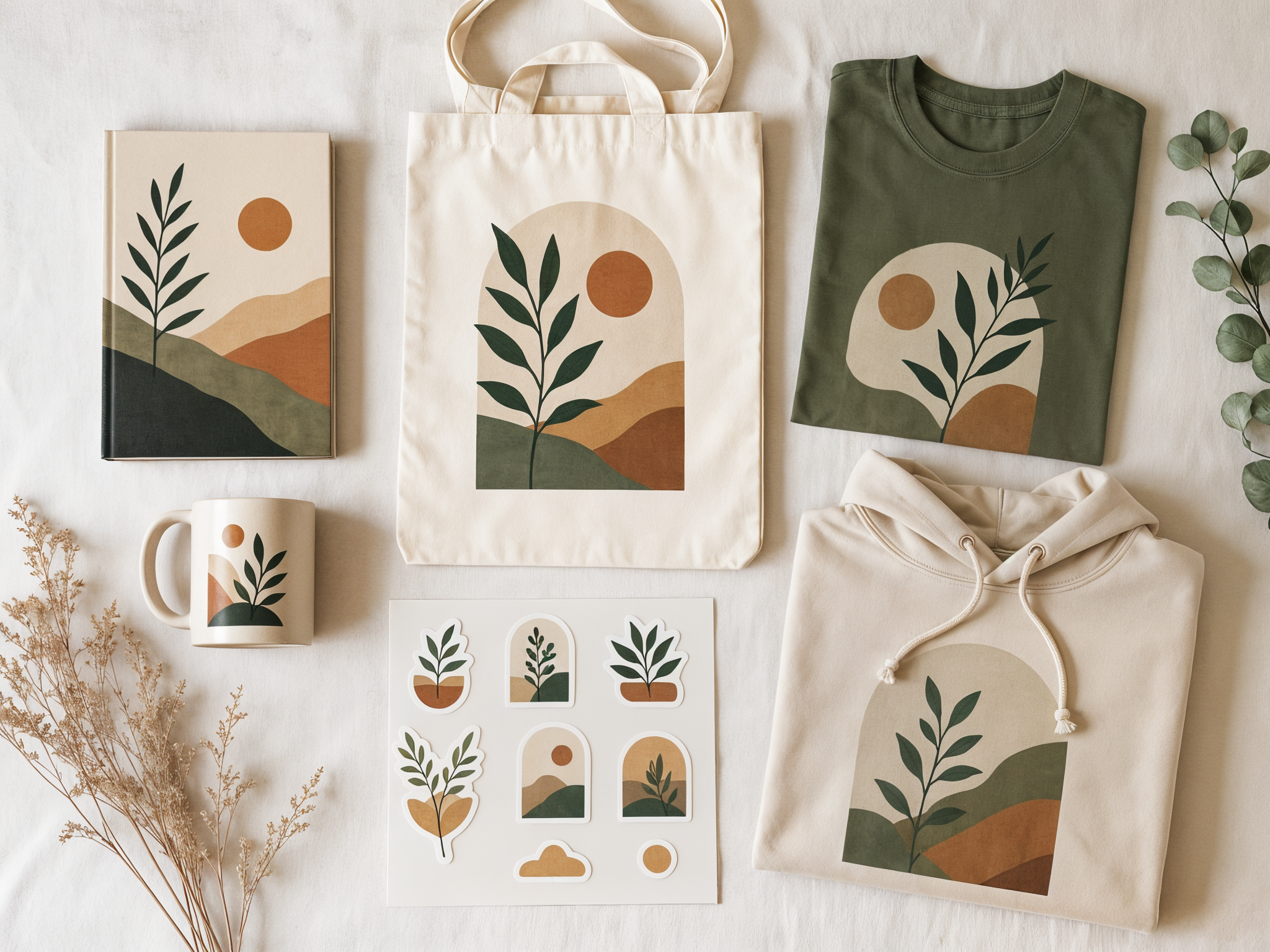
Bookish products are especially strong because the audience already buys identity goods: tote bags, bookmarks, mugs, stickers, notebooks, sweatshirts, posters, and journals.
“Book lover gifts” gets roughly 18,100 US searches per month, one of the largest demand signals in this article. That makes the niche attractive, but it also means generic “I love books” designs will be hard to differentiate.
Good angles include:
- Romance readers
- Fantasy readers
- Dark academia
- Library and librarian humor
- Book club gifts
- Writers and NaNoWriMo-style productivity
- KDP reading journals and book review logs
The biggest mistake is being too broad. “I love books” is generic. “Morally gray character support group” or “one more chapter was a lie” speaks to a more specific reader culture without depending on copyrighted titles.
11. Local Pride and City Identity
Local pride is useful because it can turn a broad idea into a specific one. Sellers can combine cities, neighborhoods, regions, landmarks, local sayings, and lifestyle niches.
Examples:
- City running clubs
- Local coffee culture
- Neighborhood pride
- Regional food humor
- College town designs
- Local hiking, lakes, or beaches
- Travel journals and city bucket lists
This is where sellers can create lower-competition versions of competitive niches. “Coffee lover shirt” is broad. “Bucharest coffee club” or “Lisbon espresso society” is more specific and may face less competition. If you are testing coffee-city ideas, a city guide like specialty coffee in Lisbon can help you understand the local cafe culture before you design.
12. Life Events and Seasonal Moments
Seasonal products are not always evergreen, but they can be profitable because buyers have urgency. The strongest sellers often combine evergreen niches with seasonal moments.
“Graduation gifts” gets roughly 40,500 US searches per month, with a huge spring spike. This is not a niche you upload into at the last minute. It rewards planning, early indexing, and product lines prepared before the seasonal peak.
Examples include:
- Graduation gifts
- Retirement
- Birthdays by age
- Weddings and bachelorette trips
- Mother’s Day and Father’s Day
- Halloween, Christmas, and Valentine’s Day
- First day of school
- New job or promotion gifts
The best approach is to prepare early. If sellers wait until December to upload Christmas designs, they are already late. Seasonal POD requires a calendar and lead time.
How to Validate a Print-on-Demand Niche Before You Design
Before creating 50 products in a niche, validate it.
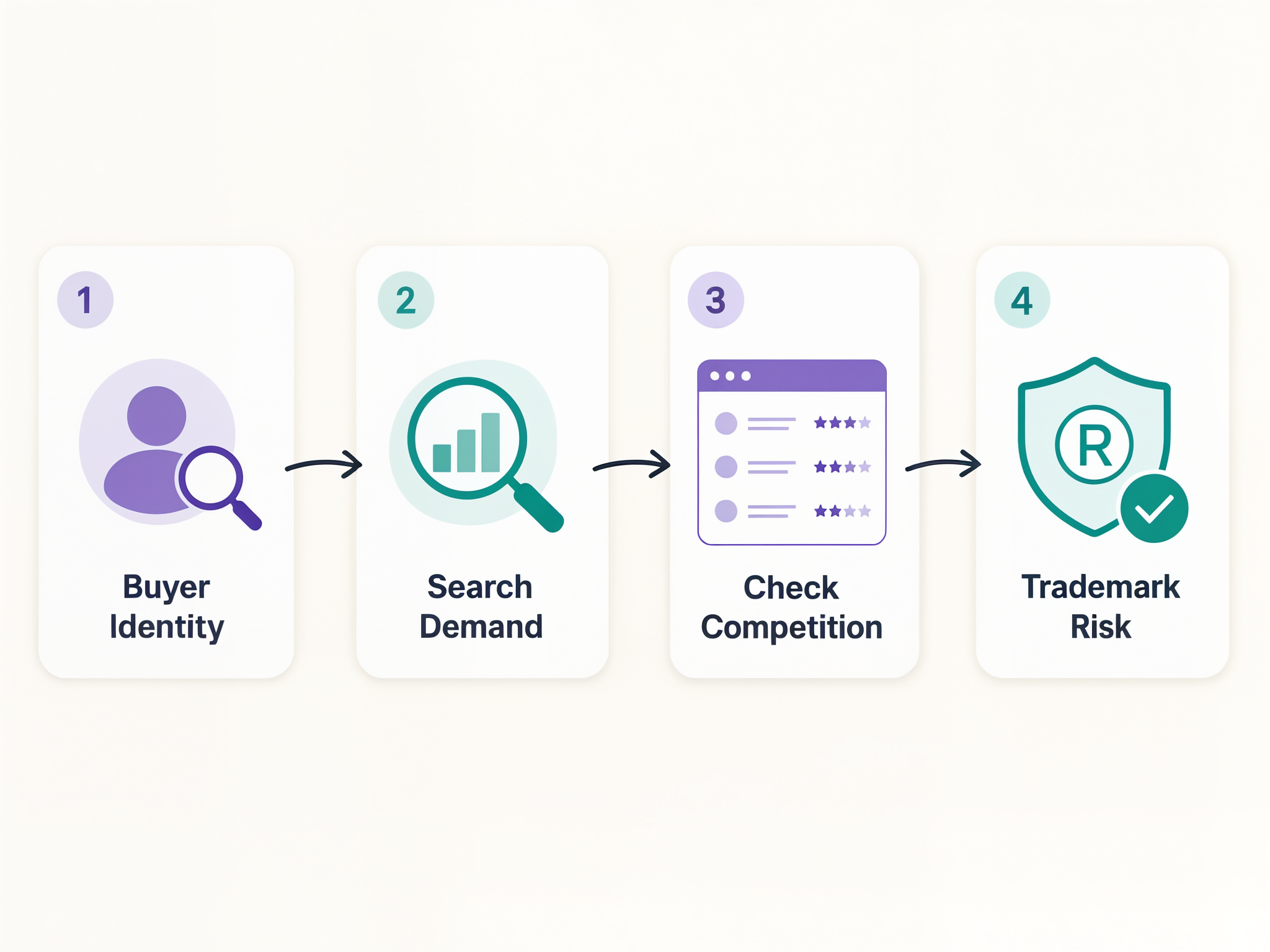
Start by checking whether people are already buying. Look at marketplace search results, product reviews, BSR movement, keyword demand, and the quality of existing designs. If every product is low quality but still getting traction, that can be a good sign. If the market is full of strong products and no visible demand, it may be harder to enter.
Then check whether the niche can support multiple product ideas. A niche with one joke is not a business. A niche with many buyer types, occasions, and formats gives you more room to test.
Finally, avoid niches where the best ideas depend on trademarks, celebrities, brands, or copyrighted phrases. Short-term sales are not worth account risk. Podly can help sellers research products, spot trends, inspect BSR history, and check trademark risk before uploading designs.
FAQ
Which niche is best for print-on-demand?
The best print-on-demand niche is one with proven demand, clear buyer identity, and many design angles. Coffee is one of the strongest evergreen niches because it works across mugs, shirts, stickers, journals, and gifts while appealing to both casual coffee drinkers and specialty coffee enthusiasts.
What sells most on print-on-demand?
The products that sell most on print-on-demand are usually identity-based or giftable items: t-shirts, hoodies, mugs, stickers, tote bags, journals, and posters. Niches like coffee, pets, teachers, nurses, fitness, parenting, and hobbies tend to perform well because buyers can immediately recognize themselves or someone they know.
What is the most in-demand niche?
There is no single most in-demand niche across every platform, but evergreen lifestyle niches usually have the most consistent demand. Coffee, pets, professions, fitness, faith, parenting, and hobbies all attract repeat buyers because they connect to daily routines, personal identity, or gift-giving occasions.
What are the big 3 niches?
The big 3 print-on-demand niche categories are hobbies, professions, and lifestyle identity. Hobbies include coffee, fitness, gaming, books, and outdoors. Professions include nurses, teachers, and trades. Lifestyle identity includes parenting, faith, local pride, pets, and personal interests.
Is print on demand still profitable in 2026?
Yes, print on demand can still be profitable in 2026, but broad generic designs are harder to win with. Sellers need clearer niche selection, better product research, stronger design differentiation, and cleaner keyword optimization than they did a few years ago.
Final Takeaway
The best print-on-demand niches for 2026 are not random trends. They are buyer identities with lasting demand. Coffee, pets, healthcare, teachers, fitness, outdoors, faith, gaming, parenting, books, local pride, and seasonal events all give sellers enough depth to build product lines instead of one-off designs.
The winning approach is to start with a proven niche, narrow it to a specific buyer, then create designs that feel more personal than the generic products already on the market.